


Create Positive Learning Environments That Inspire
Updated: Oct 10
When we talk about education, especially in dynamic fields like fitness, sports, self-defense, and parkour, the environment where learning happens is just as important as the content itself. I’ve seen firsthand how the right atmosphere can transform a hesitant learner into a confident practitioner. Creating positive classroom strategies is not just about managing a room or delivering content; it’s about fostering a space where curiosity thrives, resilience is built, and every individual feels valued.
In this post, I want to share practical insights and actionable recommendations on how to cultivate such spaces. Whether you’re running an online course for vocational learners in Helsinki, Vantaa, or Espoo, or supporting small businesses and educational organizations, these strategies will help you inspire and engage your community.
Why Positive Learning Strategies Matter in Education and Training
Positive Learning classroom strategies are the backbone of effective teaching and learning. They help create a supportive environment where learners feel safe to take risks, ask questions, and push their limits. This is especially crucial in disciplines like self-defense and parkour, where physical and mental challenges go hand in hand.
Here’s why these strategies are essential:

Boost motivation and engagement: When learners feel respected and encouraged, they participate more actively.
Enhance retention and understanding: A positive atmosphere reduces anxiety, making it easier to absorb new information.
Build community and collaboration: Learners support each other, creating a network of shared growth.
Encourage critical thinking: Safe spaces allow learners to question, experiment, and innovate without fear of judgment.
For example, in a parkour class, encouraging learners to share their personal goals and challenges can foster empathy and mutual support. This not only improves individual performance but also strengthens the group dynamic.
Implementing Positive Classroom Strategies: Practical Tips for Educators and Trainers
Now, let’s dive into some concrete ways to implement positive classroom strategies that work in both physical and virtual settings.
1. Set Clear Expectations and Goals
Start by defining what success looks like for your course or session. Share these goals openly with your learners. This transparency helps everyone stay focused and aligned.
Use simple, positive language.
Break down complex skills into manageable steps.
Celebrate small wins to build momentum.
2. Foster Inclusivity and Respect
Create an environment where diversity is celebrated and every voice matters. This means:
Encouraging learners to share their backgrounds and experiences.
Addressing biases and stereotypes openly.
Using inclusive language and examples.
3. Use Active Learning Techniques
Engage learners through activities that require participation, such as:
Group discussions and peer feedback.
Hands-on practice and simulations.
Problem-solving challenges related to real-life scenarios.
4. Provide Constructive Feedback
Feedback should be timely, specific, and focused on growth. Avoid negative criticism and instead:
Highlight what was done well.
Suggest clear, actionable improvements.
Encourage self-reflection.
5. Leverage Technology Thoughtfully
For online learners, use tools that promote interaction and community building:
Video breakout rooms for small group work.
Interactive polls and quizzes.
Collaborative platforms for sharing resources.
By integrating these strategies, you create a learning space that feels supportive and energizing, whether in a gym, studio, or virtual classroom.

Caption: A well-organized training space encourages movement and creativity, essential for positive learning.
The Role of Sports, Street Arts, and Visual Media in Shaping Learning Environments
Education is not confined to textbooks and lectures. Sports, street arts, and visual media are powerful tools that can transform learning experiences and social dynamics.
Sports as a Catalyst for Growth
Sports teach discipline, teamwork, and resilience. In self-defense and parkour, physical activity becomes a metaphor for overcoming obstacles in life. Incorporating sports into your curriculum:
Builds physical confidence.
Enhances mental toughness.
Creates a shared language among learners.
Street Arts: Expression and Community
Street arts like graffiti, dance, and performance bring creativity and social commentary into the learning space. They:
Encourage self-expression and identity exploration.
Connect learners to their communities.
Challenge social norms and inspire activism.
Visual Media: Storytelling and Reflection
Using videos, photography, and digital storytelling can deepen understanding and empathy. Visual media:
Makes abstract concepts tangible.
Provides diverse perspectives.
Engages learners emotionally and intellectually.
By integrating these elements, educators can create a rich, multidimensional learning environment that resonates with learners’ lives and aspirations.

Building a Collaborative Community for Lifelong Learning
One of the most rewarding aspects of education is the community it builds. When learners and educators come together with shared values and goals, the impact extends far beyond the classroom.
Encourage Peer Support and Mentorship
Pair experienced learners with newcomers.
Create forums or chat groups for ongoing discussion.
Organize community events or challenges.
Promote Social Responsibility and Activism
Education is a tool for social change. Encourage learners to:
Reflect on societal issues related to their field.
Use their skills to contribute positively to their communities.
Advocate for inclusivity and equity.
Continuous Professional Development
For educators and trainers, staying informed and connected is vital. Engage in:
Workshops and conferences.
Collaborative research and content creation.
Networking with other professionals locally and internationally.
This approach not only enriches your practice but also models lifelong learning for your students.

Caption: Interactive online platforms support engagement and community building among remote learners.
Inspiring Change Through Education: Your Role in the Bigger Picture
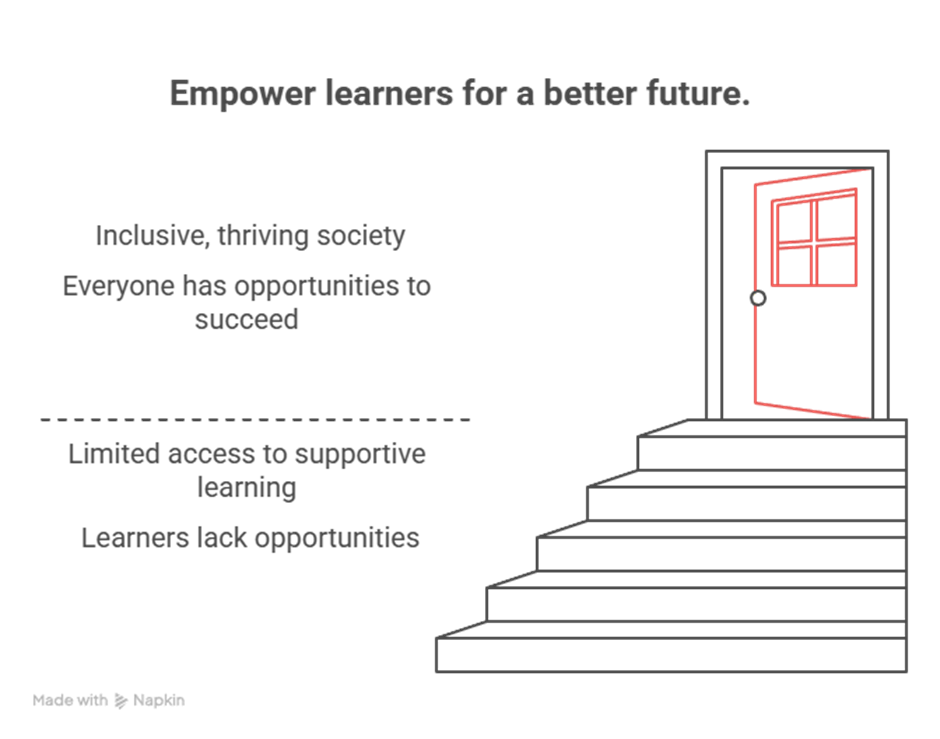
Creating positive learning environments is more than a teaching technique - it’s a commitment to shaping a better society. When we empower learners through supportive, engaging, and inclusive spaces, we contribute to a future where everyone has the opportunity to thrive.
Whether you’re developing courses for vocational learners in Finland or supporting small businesses with educational content, remember that your work has ripple effects. You’re not just imparting skills; you’re nurturing confidence, creativity, and critical thinking.
So, let’s embrace this responsibility with passion and purpose. Let’s build learning environments that inspire, challenge, and uplift. Together, we can make education a powerful force for positive change.
If you’re ready to take your educational practice to the next level, consider how these positive classroom strategies can be tailored to your unique context. The journey to inspiring learning starts with a single step - and that step is creating spaces where everyone feels they belong and can grow.
Let’s get started!
ABOUT SETS RYU

At SeTs Ryu creates & teaches innovative and functional education and training programmes, both online and onsite for vocational subjects, sports and fitness. Vocational subjects include business, security and risk management, such as the Assault Awareness & Risk Management (AARM) courses, Mind Skills & Tools. Physical education includes Personal Trainer services for fitness and sports coaching for Parkour, self-defence and other sports. We use all this experience to help businesses and educational institutions unlock the full potential of co-creation (content creation) and, in facilitating workshops to help clients succeed in collaborative development projects.
Our experienced educators can collaborate with you to:
Plan and develop and tutor engaging and effective online and offline courses.
Create content for courses and business, including videos, blog articles, podcasts, interactive exercises and quizzes.
Facilitate collaborative learning experiences that foster innovation and creativity.
Plan and organise Discovery & Wellbeing Workshops, seminars, Holiday Action Camps and festivals and other special events
Plan and coach Workout Classes for sports and street arts from self-defense to Parkour and football
Plan and instruct fitness and strength training programmes for Personal Training clients and group classes.
If you need more of a Co-Pilot than a Co-Creator, you can further empower your team with SeTs Ryu's workshop facilitation services and achieve further productivity in your projects through improved collaboration processes. You can check out the benefits and potential ROI calculations with these interactive infographic tools:
Either way, by partnering with SeTs Ryu, you can elevate your educational offerings and enhance learner engagement to help achieve your goals. Learn more at https://www.mindsets.eu
SeTs Ryu: Your Partner in Collaborative Facilitation & Co-Creation


Comments